




Choosing the right comforter matters more than most people think. It affects your sleep quality, your skin condition, and even allergy or rhinitis symptoms. After switching from cotton and down comforters to silk and using it consistently for a full year, I finally understood what an “upgraded sleep environment” truly feels like.
Here is my personal experience and an in-depth comparison to help you pick the comforter that best suits your needs.
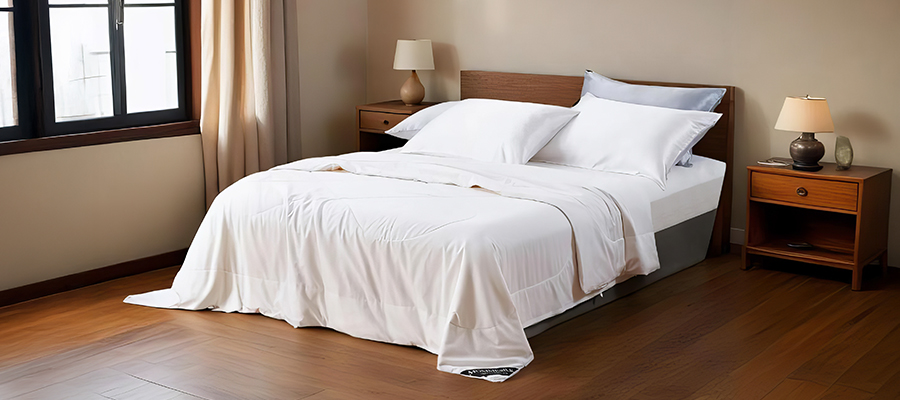
Why I No Longer Use Cotton or Down Comforters?
Cotton Comforters: Easy to Clump, Declining Warmth. Cotton comforters tend to:
-
Clump over time
-
Become stiff and heavy
-
Lose warmth after long use
-
Trap heat and moisture
If you sweat at night or prefer a breathable sleep environment, cotton may not be ideal.
Down Comforters: Lightweight but Not Allergy-Friendly
Many people love down comforters because they’re light and warm. But after using them for a while, I noticed:
-
Down easily breeds dust mites
-
Rhinitis and allergy symptoms can worsen
-
Sensitive skin may become itchy or irritated
Many people blame dust in their homes for their morning sneezing, but often the actual trigger is the comforter we use every day.
For someone like me with eczema-prone and sensitive skin, sleeping under a down comforter—especially without pajamas—was extremely uncomfortable.

Silk Comforters: Why You Can’t Go Back After Using One
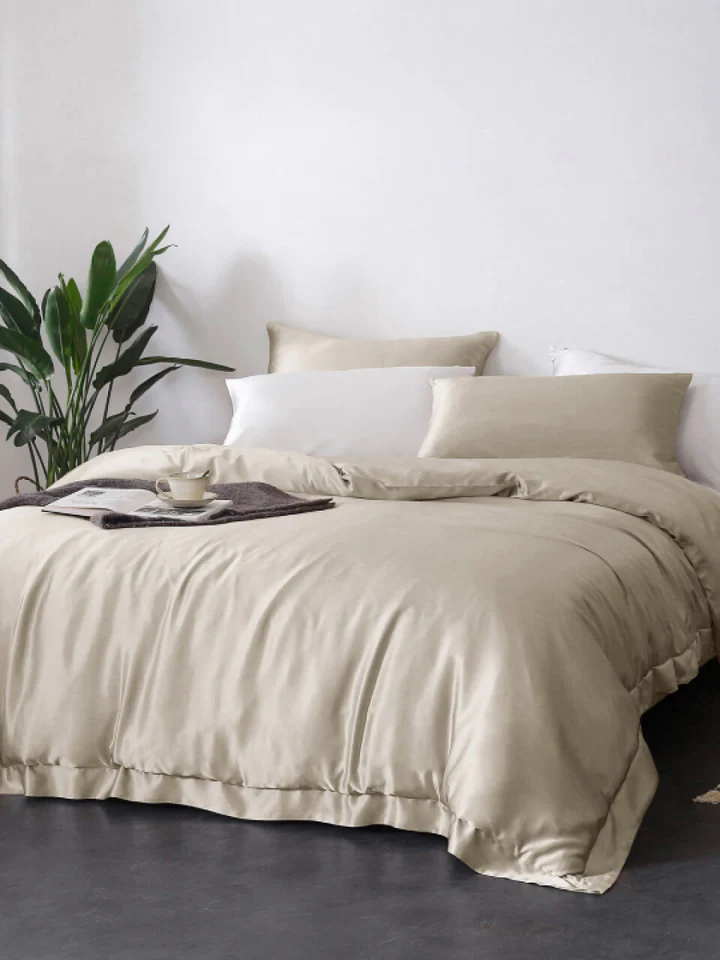
After a full year of using various silk comforters—from a summer quilt to a four-season set—I’m completely converted.
Natural Protein Fiber That’s Incredibly Skin-Friendly
Silk is made of natural animal protein. Its structure is similar to the keratin layer of human skin, making it:
-
Soft and delicate
-
Non-irritating
-
Suitable for dry, sensitive, or eczema-prone skin
-
Safe even for children with eczema
This is something cotton and down simply can’t match.
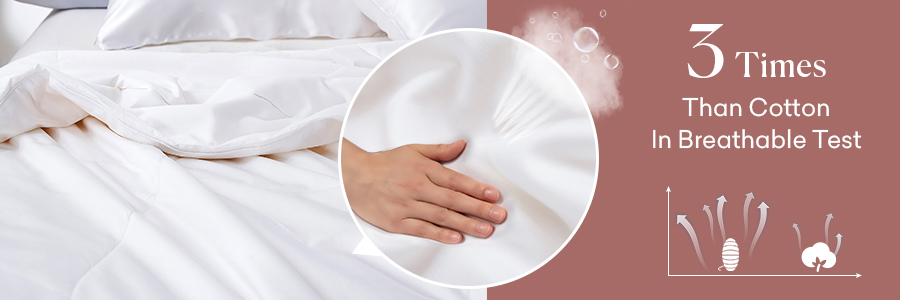
Moisture-Wicking & Breathable — Three Times the Breathability of Cotton
I sweat easily at night, but with silk:
-
Humidity and temperature inside the comforter stay balanced
-
No overheating
-
No damp or sticky feeling
-
No waking up at night from discomfort
This moisture-regulating ability is where down comforters fall short.
Naturally Dust-Mite Resistant — Great for Rhinitis
Silk naturally resists dust mites. If you suffer from rhinitis or allergies, switching to a silk comforter may significantly reduce sneezing and nasal congestion. Your symptoms might not be from “household dust” at all, the real problem could be your comforter.
Four-Season Flexibility: The Big Advantage of Silk Comforters
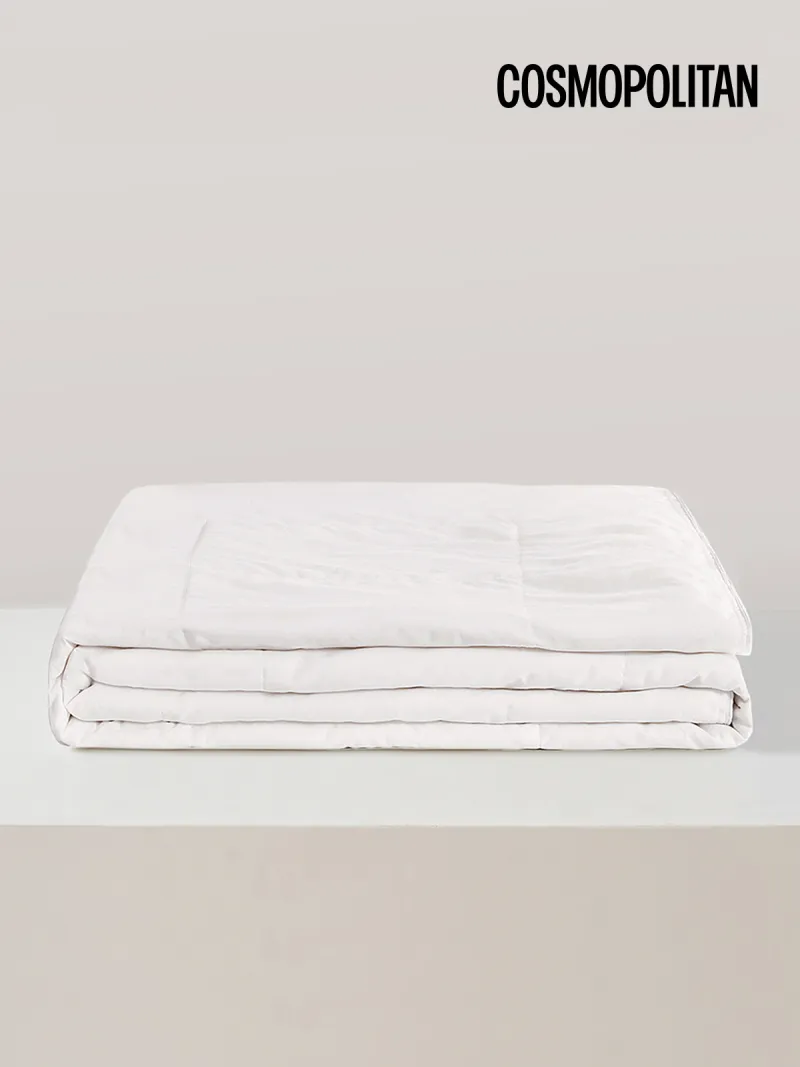
I use a two-piece set from MOMMESILK:
-
Summer quilt – ultra lightweight and breathable
-
All-season comforter – perfect for spring and fall
-
In winter, the two can be buttoned together to create a warm winter comforter
One purchase covers all four seasons. Both layers have corner loops or buttons so they stay securely in place inside the duvet cover—no shifting, no bunching.

Durable and Easy to Care For
High-quality silk comforters can last over 10 years. Unlike cotton, they don’t clump. Unlike down, they don’t collapse or require constant airing to remove mites. Maintenance is simple:
-
Avoid machine washing
-
Use a duvet cover
-
Clean the cover regularly
This helps extend the comforter’s lifespan and keeps it fresh and comfortable year-round.
Silk vs. Cotton vs. Down — Which One Should You Choose?
| Comforter Type | Advantages | Disadvantages | Best For |
| Cotton | Affordable, decent warmth |
Heavy, clumps easily, poor breathability |
Budget buyers, dry climates
|
| Down | Lightweight, warm |
Dust mites, allergy risk, not for sensitive skin |
Non-allergic users who want lightweight
warmth
|
| Silk |
Skin-friendly, breathable, moisture-regulating, dust-mite resistant, durable, four-season use |
Higher cost |
Sensitive skin, eczema, rhinitis, night sweaters,
or anyone seeking premium sleep
|
Quality Sleep Is Worth the Investment
Sleep is the body’s daily repair ritual. A good comforter is a long-term investment in your health.
If you’ve been considering upgrading your sleep setup, a silk comforter is truly worth trying. After experiencing the softness, dryness, breathability, and all-season comfort, you may never want to go back.